

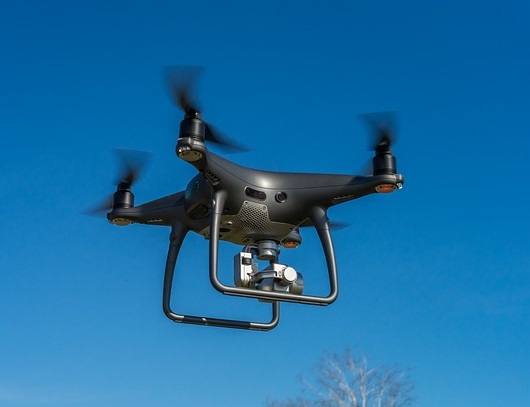
2018 was another year of advancements in the field of robotics, including in the sectors for which Ultralife Corporation manufacture batteries (such as drones, bomb disposal, surgical and logistics). Focusing on those four sectors, we look back at the main robotics developments over the past year and predict the drones and robots we are likely to see emerge in 2019, before discussing whether new batteries will be needed to power them.
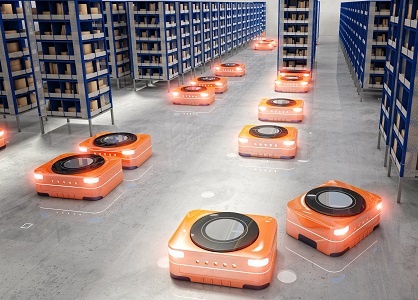
Retail giants like Amazon are making headlines with their attempts to improve logistics operations with the use of drones. Yet original equipment manufacturers (OEMs) should not forget the need for logistics assistance on the ground. Although the expense and labor involved with utilizing automated guided vehicles (AGVs) may have previously deterred many organisations from adopting this technology; developments in the field look set to increase demand.
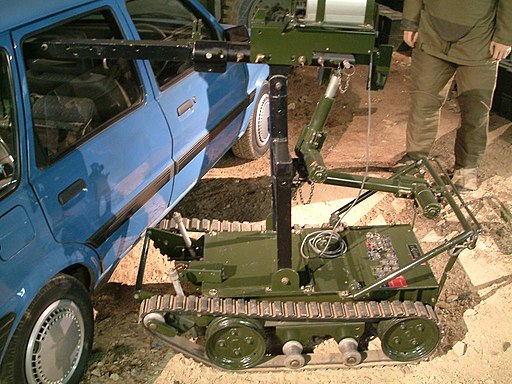
In 2017, US research institute SRI International unveiled its Taurus robot, a bomb disposal robot that allowed operators to control it using a virtual reality headset. This is just the latest in a long line of technology developments for bomb disposal units.

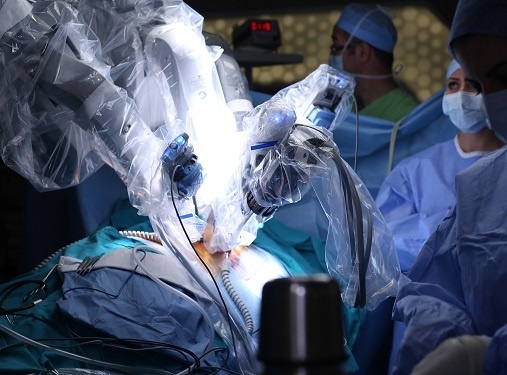
With greater investment from healthcare organisations and surgical robot technology about to become generic, the conditions are perfect for a boom in the surgical robotics market. But how can design engineers and technical medical staff ensure these new systems operate reliably and safely? As a surgical robot battery manufacturer Accutronics, has a solution.

Current US laws impose ‘no limit on how many hours US workers can work’ and those who undertake more than 40 hours a week qualify for overtime pay at 1.5 times their normal wage; so it is unsurprising to find that an estimated 80 percent of Americans continue to work after their mandated working day has ended. However, not having a work-life balance can have a long-term effect on staff productivity.
