

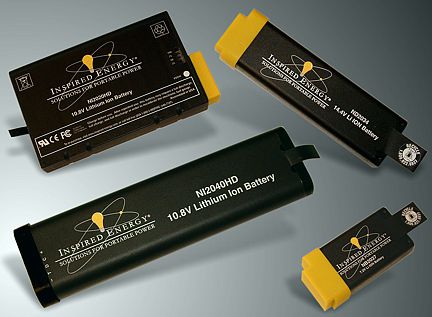
When transporting any battery it's very important that the positive and negative terminals are insulated to avoid short circuits, but when transporting Lithium ion batteries this requirement is
written into the regulations and anyone offering these batteries for transport must ensure that the terminals are correctly insulated.
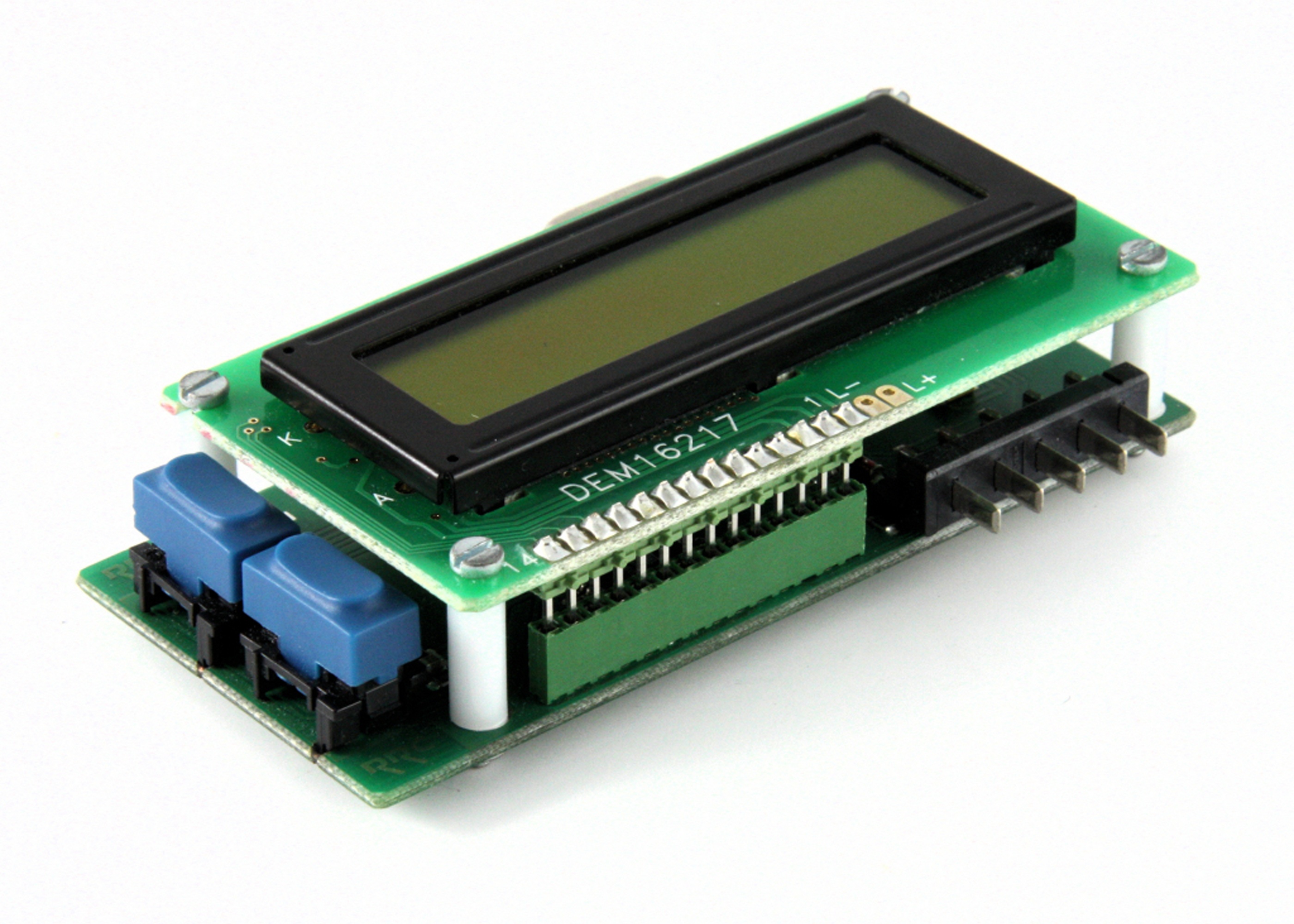
The rechargeable battery industry isn't known for its gadgets but this Smart Battery Reader is a gadget which becomes invaluable once you have one.
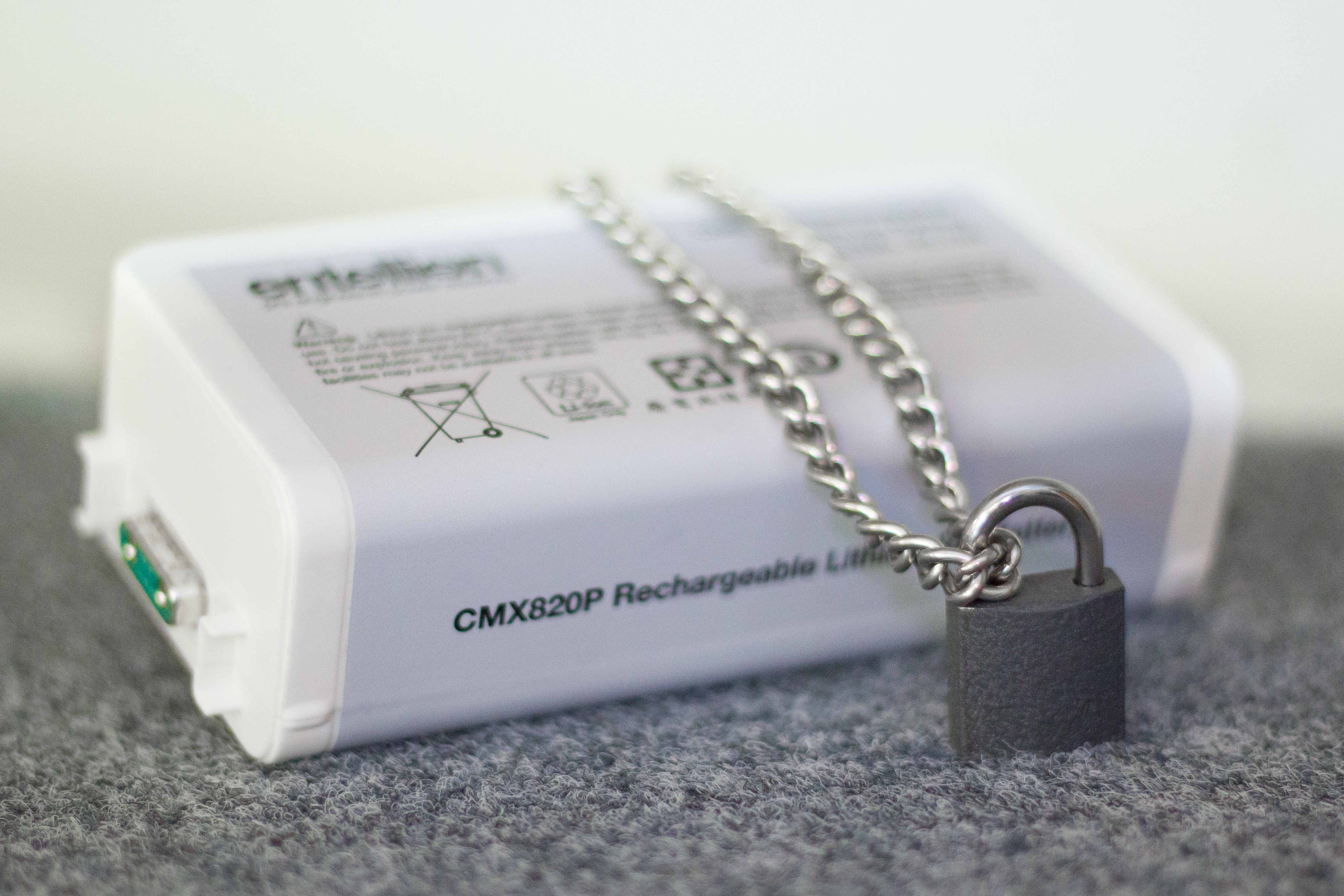
Every year in Louisville, Kentucky, hackers and security experts gather for DerbyCon. While a get-together of hackers may sound troubling on its own, what’s truly disturbing is what came out of last year’s conference. Medical cyber crime is on the rise, and there are thousands of critical medical devices which can currently be located online and hacked directly.
Researchers at Dartmouth College in New Hampshire, USA, recently developed a small piece of hardware that enables medical devices to securely connect to WiFi networks. Due to its wand-like appearance, the system has been dubbed the magic wand of MedTech.
Unfortunately, there is little that is magical about the device. While it does address the problem the medical technology (MedTech) and healthcare sectors are facing in regards to cybercrime, there is much more that needs to be done to secure medical hardware.
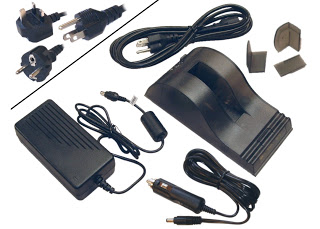
For heavy users of batteries the need to charge them is paramount.
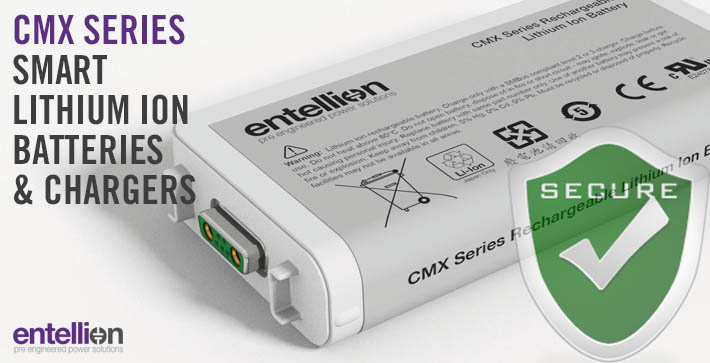
The debate surrounding the rise in mobile medical devices safety continues to grow as technology advances. One concern is that the increased reliance on electronic devices to monitor and treat our health becomes dangerous if those very devices become unsafe or unreliable to use. Here, we explore the security and safety of batteries used in critical medical equipment going forward.
Read More [fa icon="long-arrow-right"]
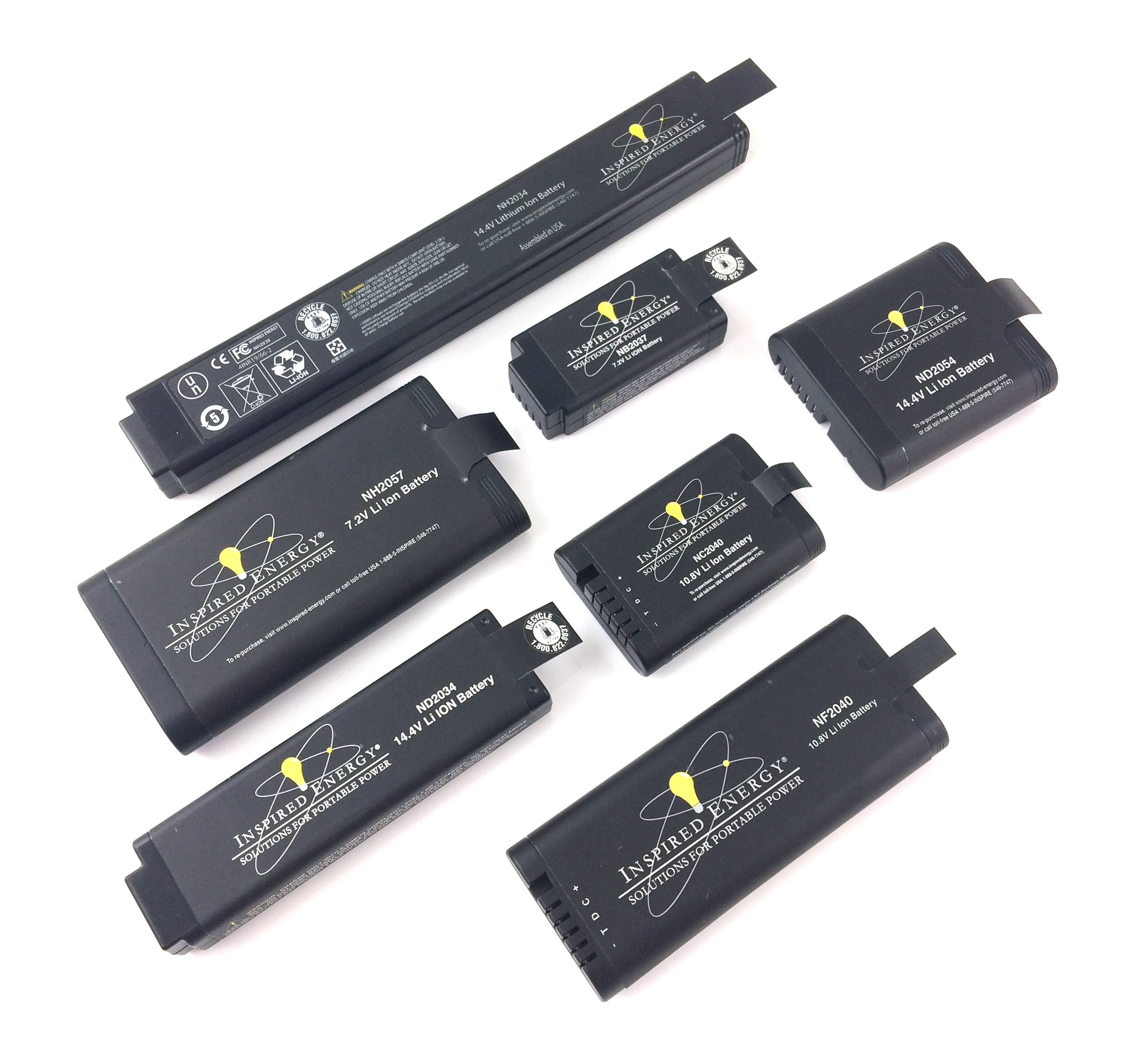
Inspired Energy standard smart batteries have always delivered outstanding performance due to their high energy lithium ion chemistry, accurate fuel gauging and smart charging technology. As customers continue to demand longer runtimes from their power hungry equipment Inspired Energy now offer thirteen Lithium Ion battery models with the latest 3.35Ah Lithium ion cells.

We would like to share some good news with you… On January 13, Accutronics’ shares were acquired by Ultralife Corporation, the American battery, energy products and communication systems provider.
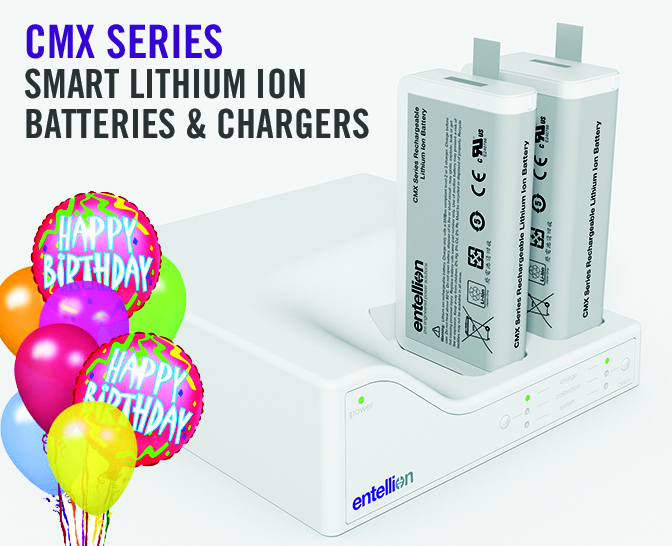
We can’t believe it’s been 12 months since the launch of our new energy-dense batteries for Hi-tech portable medical equipment at Compamed 2014, and just how successful the CMX Series has been over the past year.
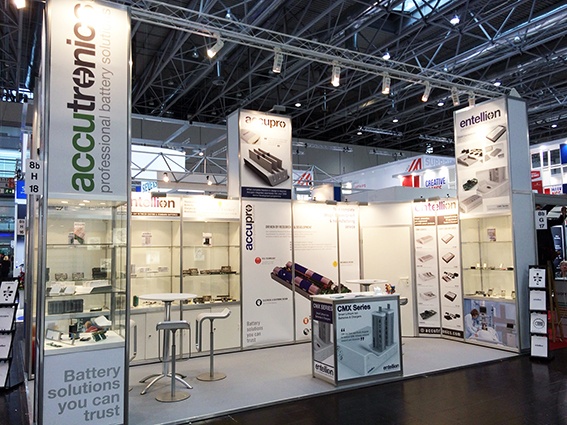
Mini battery for portable medical devices smaller than credit card
